Boston Fern
Nephrolepis exaltata
Other names: Sword fern
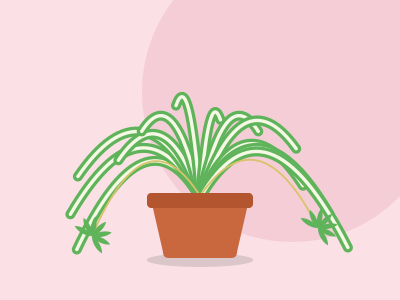
The Boston fern makes a full mound of arching, feathery fronds and is a classic choice for hanging baskets and plant stands. It is safe for pets. Its one firm demand is moisture, both in the soil and in the air.
How to grow Boston fern
Light
Give it bright to medium, indirect light, such as near a north or east window. Direct sun scorches the fronds.
Watering
Keep the mix consistently moist. Water as soon as the surface begins to feel dry, and never let the root ball dry out completely. In winter water a little less.
Soil and feeding
Use a rich mix that holds moisture but still drains. Feed monthly in spring and summer at half strength.
Pruning and upkeep
Cut brown or bare fronds at the base. If the plant looks ragged, trim all fronds to about 2 in (5 cm) in spring and it will regrow. Aim for humidity above 50 percent: group plants together, use a humidifier, or keep the fern in a bright bathroom.
Propagation
Divide the root ball in spring with a sharp knife, or pot up rooted runners.
Common problems
- Brown, crispy fronds
- Dry air or dry soil. Raise the humidity and water more regularly.
- Leaflets dropping everywhere
- The root ball has dried out or the plant is in a draft. Soak the pot in water for 20 minutes and move it to a sheltered spot.
- Pale, yellowing fronds
- Too much sun or a need for feeding.
Questions about Boston fern
Do Boston ferns like to be misted?
Misting raises humidity for only a few minutes. A humidifier, a tray of wet pebbles or a naturally humid room works better.
Can I put my Boston fern outside?
Yes, in shade during frost-free months. Bring it indoors before night temperatures fall below 50°F (10°C).
Plant details
| Botanical name | Nephrolepis exaltata |
|---|---|
| Family | Nephrolepidaceae |
| Native range | Humid tropical regions of the Americas |
| Plant type | Houseplants. Evergreen fern |
| Soil | Peat-free, moisture-retentive potting mix |
- Grows in containers
- Pet-safe
- Tolerates shade