Spearmint
Mentha spicata
Other names: Garden mint, common mint
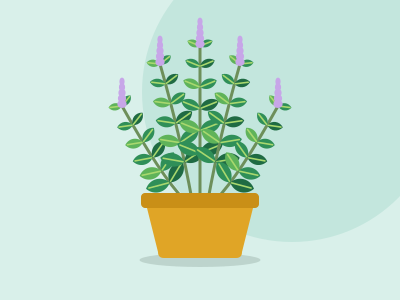
Spearmint is a vigorous perennial herb with bright green, toothed leaves and a sweet, cool flavor, used in teas, salads and sauces. It grows almost anywhere with moisture. The real task is keeping it contained, because its runners spread quickly.
How to grow spearmint
Light
It grows in full sun or part shade. In hot climates, afternoon shade keeps the leaves tender.
Watering
Keep the soil moist. Mint wilts quickly in dry soil and is one of the few herbs that tolerates damp ground.
Soil and feeding
Any moist garden soil or potting mix is suitable. Top-dress with compost in spring.
Planting and pruning
Grow mint in a container at least 12 in (30 cm) wide to contain the runners. If you want it in a border, sink the pot into the ground with the rim 1 in (2.5 cm) above the soil. Harvest often. Cut the whole plant back to 1 in above the soil after flowering for a fresh flush of leaves.
Propagation
Pull up a rooted runner and replant it, or root stem cuttings in water. Divide and repot container plants every two years.
Common problems
- Mint spreading through the bed
- Dig out the runners and move the plant to a pot.
- Orange pustules under the leaves
- Mint rust. Remove and bin affected stems and replant clean stock in a new spot.
- Tall, sparse stems with small leaves
- The plant is root-bound or ready to flower. Cut it back hard and divide it.
Questions about spearmint
Is spearmint the same as peppermint?
No. Peppermint is a hybrid of spearmint and water mint and contains much more menthol. Spearmint is milder and sweeter.
Does mint come back every year?
Yes. It dies back in winter and regrows from the roots in spring.
Plant details
| Botanical name | Mentha spicata |
|---|---|
| Family | Lamiaceae |
| Native range | Europe and western Asia |
| Plant type | Herbs. Herbaceous perennial herb |
| Soil | Moist, fertile soil |
| Flower color | Purple, pink |