A Sunny Pollinator Border
This border puts nectar and pollen on offer from early summer until the first frost. Three hardy perennials form the backbone, and two quick annuals fill the gaps while the perennials bulk up. It suits a bed about 10 ft long and 4 ft deep (3 × 1.2 m).
- Hardiness
- Zones 5–8
- Light
- Full sun
- Season
- Early summer to frost
- Water
- Low once established
- Upkeep
- Low
Plants in this plan


 Black-Eyed Susan Rudbeckia fulgida
Middle. Alternate with the coneflowers for pink and gold together.

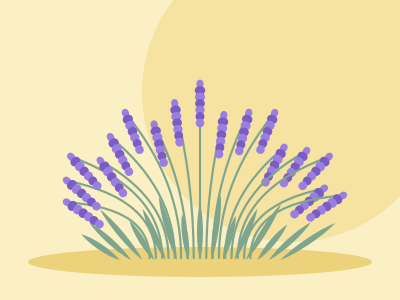 English Lavender Lavandula angustifolia
Front edge. Space 2 ft (60 cm) apart along the sunniest, driest side.
Planting and care tips
- Plant each kind in a group of three or more. Pollinators find blocks of one flower more easily than single plants.
- Choose single-flowered zinnias and sunflowers that produce pollen. Fully double and pollen-free types offer little food.
- Leave coneflower and rudbeckia seedheads standing over winter for finches, and cut them down in early spring.
- Avoid insecticides. Hose aphids off with water instead.
- Set out a shallow dish of water with stones for insects to land on.