Parlor Palm
Chamaedorea elegans
Other names: Neanthe bella palm, table palm
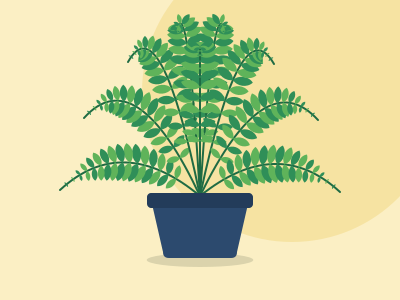
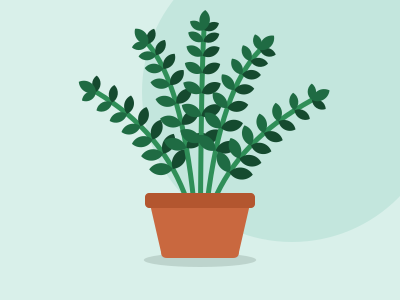
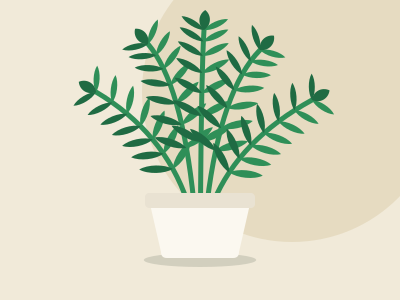
The parlor palm is a small, slow-growing palm with arching, feathery fronds. It has been a popular houseplant since Victorian times because it tolerates low light and indoor air. It is one of the best pet-safe choices for a floor plant.
How to grow parlor palm
Light
Medium to bright, indirect light is ideal, and the plant adapts to low light. Direct sun bleaches and burns the fronds.
Watering
Water when the top inch (2.5 cm) of mix is dry. Keep the soil lightly moist in spring and summer and a little drier in winter. Do not let the pot stand in water.
Soil and feeding
Use a free-draining mix. Feed once a month in spring and summer at half strength. Palms are sensitive to excess fertilizer.
Pruning and upkeep
Remove a frond only when it is completely brown, cutting it at the base. Never cut the top of a stem. A palm grows from a single point at the tip and cannot branch.
Propagation
Parlor palms are raised from seed, which is slow. Pots sold in shops contain many seedlings, and dividing them often damages the roots, so it is best to leave the clump intact.
Common problems
- Brown leaf tips
- Dry air, dry soil, or salts from tap water and fertilizer. Flush the pot with clean water and water more evenly.
- Fine webbing and pale speckled fronds
- Spider mites, which like warm, dry rooms. Rinse the fronds in the shower and repeat weekly.
- Yellowing fronds
- Too much water or too much sun.
Questions about parlor palm
How fast does a parlor palm grow?
Slowly. Indoors it adds a few fronds a year and takes several years to reach 3 to 4 ft.
Is the parlor palm safe for cats?
Yes. It is non-toxic to cats and dogs.
Plant details
| Botanical name | Chamaedorea elegans |
|---|---|
| Family | Arecaceae |
| Native range | Rainforests of southern Mexico and Guatemala |
| Plant type | Houseplants. Evergreen palm |
| Soil | Peat-free potting mix with added perlite |