Salvia
Salvia nemorosa
Other names: Woodland sage, meadow sage
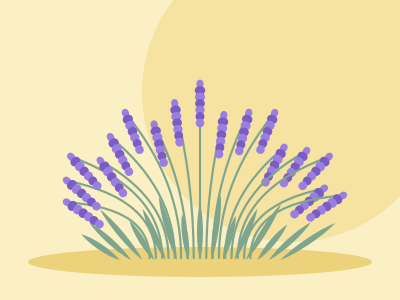
Perennial salvia sends up dense spikes of violet, blue or pink flowers from late spring into summer above aromatic gray-green leaves. Bees and hummingbirds visit it constantly, deer and rabbits avoid it, and it copes well with heat and dry soil.
How to grow salvia
Light
Full sun, with at least six hours a day. Plants in shade flop and flower sparsely.
Watering
Water regularly in the first season. After that, water only in extended dry weather. Salvia dislikes wet soil, especially in winter.
Soil and feeding
Plant in ordinary soil with good drainage. Rich soil and fertilizer produce soft, floppy growth.
Planting and pruning
When the first flowers fade, cut the whole plant back by about one third. A second flush follows in four to six weeks. Cut the old stems to the ground in early spring.
Propagation
Divide clumps in spring every three to four years, or take cuttings of non-flowering shoots in late spring.
Common problems
- Stems splay open from the center
- Too much shade, water or fertilizer. Cut the plant back hard after flowering and withhold feed.
- White coating on leaves
- Powdery mildew in humid weather. Thin crowded plants for better air flow.
- Plant fails to return in spring
- Winter wet. Improve drainage with grit or move to a raised bed.
Questions about salvia
How do I get salvia to rebloom?
Shear off the faded flower spikes together with the top third of the stems as soon as the first flush is over, then water well.
Is perennial salvia the same as kitchen sage?
They are related. Culinary sage is Salvia officinalis, a woody herb grown for its leaves.
Plant details
| Botanical name | Salvia nemorosa |
|---|---|
| Family | Lamiaceae |
| Native range | Europe and western Asia |
| Plant type | Perennials. Herbaceous perennial |
| Soil | Average to lean, well-drained soil |
| Flower color | Purple, blue, pink |